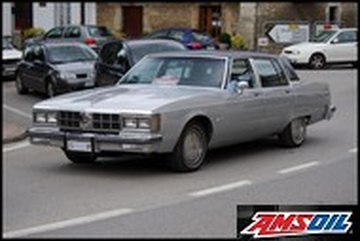
Maintaining Lubrication Integrity for the 1981 Oldsmobile 98 5.0L
Proper engine care for a vehicle of this era requires a focus on consistent monitoring and proactive inspection. For an owner of a 1981 Oldsmobile 98 equipped with a 5.0L engine, maintaining the lubrication system is a fundamental aspect of long-term mechanical health. Because older engines operate under different wear patterns than modern counterparts, understanding how to observe and respond to changes in fluid condition is essential for effective ownership.
Monitoring Fluid Condition and Potential Leaks
One of the most practical ways to monitor the health of the 5.0L engine is through regular visual inspections of the engine bay and the ground beneath the vehicle. Over time, various components may show signs of age-related changes. When performing routine checks, look for any evidence of fluid seepage or active leaks around sealing surfaces. Even small amounts of oil appearing on the exterior of the engine block or near gaskets can be an early indicator that a seal is beginning to lose its effectiveness.
It is also useful to observe the appearance of the oil itself during routine checks. While oil naturally darkens as it undergoes thermal cycles and collects microscopic debris, extreme changes in color or texture should be noted. If the lubricant appears excessively thick, gritty, or shows signs of unusual contamination, it may warrant a closer investigation into the engine's current maintenance state. Such observations can help determine if the existing service intervals are appropriate for the vehicle's current operating conditions.
Observing Potential Warning Signs
While many mechanical issues develop gradually, certain symptoms can serve as important signals that require attention. If you notice unusual mechanical noises while the engine is running, this could be associated with various lubrication or mechanical factors and should be investigated. Similarly, any unexpected changes in how the engine behaves—such as difficulty starting or changes in idle smoothness—can sometimes be linked to the state of the engine's fluids.
If you observe any unusual exhaust smoke, it is important to recognize that this symptom can have multiple causes. It may indicate that oil is entering the combustion process, but it could also be related to other components within the exhaust or engine system. Rather than attempting a self-diagnosis, these signs should be treated as prompts for a professional inspection. Additionally, if any warning lights or indicators appear on the dashboard, immediate attention is necessary to prevent potential complications.
Prioritizing Maintenance Based on Current Condition
For an older vehicle like the 1981 Oldsmobile 98, maintenance priorities should be driven by the actual condition of the machine rather than just its age. If you are stepping into ownership without a complete service history, establishing a baseline is a wise first step. This involves reviewing any available repair records and performing a thorough inspection of all fluids and accessible components to see what has been recently addressed and what may be approaching the end of its service life.
When managing maintenance tasks, it is often most effective to address active concerns first. If there is evidence of a slow leak or if the oil consumption seems higher than expected, these issues should take precedence over purely preventive measures. By focusing on current mechanical realities—such as the condition of hoses (if present) or the integrity of electrical connections—you can create a more efficient and targeted maintenance plan that addresses the specific needs of your 5.0L engine.
Managing Aging Components and Materials
As vehicles age, the materials used in their construction undergo gradual changes due to heat cycles and environmental exposure. For this Oldsmobile, this means being mindful of aging rubber components and various seals. If equipped, inspect accessible drive belts for signs of cracking, glazing, or fraying. Similarly, if the vehicle is equipped with various hoses, check them for signs of brittleness or swelling.
Maintaining a clean engine environment can also assist in these inspections. A buildup of grime and debris can often mask small leaks or make it difficult to identify the source of a potential issue. Periodically ensuring that the engine area is relatively clean allows for much more accurate visual monitoring of gaskets, seals, and other critical connection points. This proactive approach helps in distinguishing between minor seepage and more significant mechanical concerns.
The Role of Consistent Lubrication Maintenance
The primary function of engine oil is to provide a consistent layer of protection between moving internal parts. Beyond simple lubrication, the fluid plays a role in managing the thermal energy generated during engine operation. Effective maintenance ensures that the lubricant retains its ability to flow correctly and resist the breakdown that occurs over time due to heat and oxidation.
Consistent service helps prevent the buildup of deposits and sludge, which can occur when oil is left in the system for too long or when it is not of an appropriate quality. By adhering to a regular schedule and monitoring the condition of the lubricant, you help ensure that the engine remains protected against the friction and heat that are inherent to internal combustion processes.
Practical Advice for Buying Engine Oil for your 1981 Oldsmobile 98 5.0L
When it is time to replenish your engine's lubrication, the most important step is to ensure the product you select matches the specific requirements of your application. Do not rely on general assumptions about what an older vehicle might need; instead, match the engine oil to the application-specific viscosity information already displayed on this page.
Before making a purchase, carefully check the product labeling to verify that the oil meets the necessary standards for your engine. You may encounter various formulations, including conventional, synthetic blends, or full synthetic oils. Some high-mileage oil formulations contain additives intended for use in aging engines, and some high-mileage formulations include seal-conditioning additives. While these can be useful options to consider, always prioritize the specific viscosity and application details provided in your vehicle's technical data above all other marketing claims. By following the information provided on this page, you ensure that your 1981 Oldsmobile 98 receives the correct lubrication for its 5.0L engine.